

How long does it take to dismantle scaffolding safely?
How long does it take to dismantle scaffolding safely?
The time it takes to dismantle scaffolding safely can vary greatly depending on the complexity and size of the project, but it typically ranges from a few hours for small structures to several days for more extensive setups.
In the world of scaffolding, timing is critical—not only for operational efficiency but also for safety. Safely dismantling scaffolding is just as crucial as setting it up, and understanding the time frame involved helps project managers schedule tasks effectively, minimise downtime, and ensure the safety of workers and the public.
Factors Influencing Dismantling Time
The time required to dismantle scaffolding can vary depending on several factors. Firstly, the size and height of the scaffolding structure play a significant role. High-rise buildings or complex structures, like those typically seen in Alpine Scaffolding's projects at the V&A Waterfront or Green Point Stadium, require more time and expertise. Secondly, the type of scaffolding system used is crucial. Kwik-Stage modular systems, which Alpine Scaffolding employs, are designed for efficient assembly and disassembly, complying with SANS 10085 and OHSACT standards. This ensures not only safety but also a reduction in dismantling time.
Additionally, the number of skilled workers available can greatly influence the time it takes. Experienced teams, such as those employed by Alpine Scaffolding, are adept at quickly and safely dismantling structures, thanks to their extensive training and adherence to strict safety protocols.
Safety Considerations in Dismantling
Safety is paramount in scaffolding dismantling, and it directly impacts the time required. The process must be methodical to prevent accidents, which means that rushing is never an option. Each component of the scaffolding must be carefully removed, starting from the top downwards, to maintain balance and stability. This systematic approach is a cornerstone of Alpine Scaffolding's operations, ensuring that every dismantling task is executed with precision.
Moreover, Alpine's senior health & safety managers oversee every project, ensuring compliance with all relevant regulations and standards. The presence of protection fans, temporary staircases, and loading bays during dismantling further enhances safety, though these elements add to the time needed to complete the process.
Project Complexity and Site Conditions
The complexity of the project and the on-site conditions are significant determinants of dismantling time. Projects in bustling areas, such as Cape Town Station, require additional planning to navigate pedestrian and traffic disruptions. Alpine Scaffolding's experience in handling such environments ensures that dismantling is carried out efficiently while minimising impact on the surrounding area.
Weather conditions can also affect dismantling time. High winds or rain can delay the process, as safety always takes precedence. Alpine's teams are trained to adapt to these conditions, ensuring that dismantling resumes only when it is safe to do so.
Efficiency Through Expertise
Employing experienced personnel and advanced systems like Kwik-Stage enables Alpine Scaffolding to dismantle scaffolding efficiently without compromising on safety. Their Level 5 BBBEE status underscores a commitment to empowering skilled local workers who bring a wealth of expertise to every project.
For those seeking scaffolding hire in Cape Town, Alpine Scaffolding offers a full suite of services including hire, sales, erection, dismantling, and inspection. Their track record in projects across various sectors demonstrates a capability to handle dismantling tasks with both speed and safety.
Contact Us For A Free Quotation (or Any Questions)
Complete the contact form below for any quotes, questions, or enquiries about your project.
Our dedicated team of experts will get back to you promptly.


What’s the penalty for non-compliant scaffolding on site?
What’s the penalty for non-compliant scaffolding on site?
Non-compliant scaffolding on site can result in severe penalties, including hefty fines, legal repercussions, and potential shutdowns of the construction site. Ensuring compliance is not just a legal obligation but a critical aspect of safety and efficiency in construction projects.
In the realm of construction, scaffolding serves as the backbone of any project, providing essential support and access. However, the importance of maintaining compliance with safety standards cannot be overstated. Non-compliant scaffolding not only jeopardises the safety of workers and the public but also risks significant financial and reputational damage to companies involved in the project. This article delves into the penalties for non-compliance and why adhering to standards like SANS 10085 and OHSACT is crucial.
Legal and Financial Repercussions
Non-compliance with scaffolding standards can lead to severe legal and financial consequences. Under South African law, any breach of the Occupational Health and Safety Act (OHSACT) can incur substantial penalties. These penalties often include hefty fines, which can escalate depending on the severity of the non-compliance and whether it results in injury or fatality. Additionally, companies may face litigation, which can be lengthy and costly, potentially impacting the overall budget and timeline of the project.
Moreover, non-compliant scaffolding can lead to project delays if construction sites are shut down until issues are rectified. This not only affects the immediate project but can also impact future opportunities, as companies with a history of non-compliance may struggle to secure new contracts. At Alpine Scaffolding, we understand the critical nature of compliance and have structured our operations to ensure full adherence to the necessary safety standards, thereby avoiding these costly pitfalls.
Impact on Safety and Productivity
Safety is of paramount importance in construction, and non-compliant scaffolding poses a significant risk to on-site personnel and the public. Unsafe scaffolding can lead to accidents, injuries, or even fatalities, which not only have human costs but can also severely affect a company's reputation and operations. Ensuring scaffolding compliance minimises these risks and contributes to a safer working environment.
Furthermore, compliant scaffolding systems, like the Kwik-Stage modular systems used by Alpine Scaffolding, enhance productivity by providing reliable and efficient support structures. When scaffolding is erected correctly and meets all safety standards, workers can perform their tasks more efficiently and confidently. This not only boosts morale but also enhances overall productivity on site. By prioritising safety and compliance, companies can maintain smooth operations and avoid the disruptions that come with non-compliance.
The Role of Inspections and Maintenance
Regular inspections and maintenance are key to ensuring scaffolding compliance. According to SANS 10085, scaffolding must be inspected before use and at regular intervals to ensure it remains in safe working condition. These inspections can identify potential issues such as structural weaknesses or improper assembly, which, if left unchecked, could lead to non-compliance.
At Alpine Scaffolding, our experienced health and safety managers conduct thorough inspections and maintenance checks to guarantee the integrity of our scaffolding systems. This proactive approach helps to identify and rectify any potential problems before they escalate, ensuring that our scaffolding remains safe and compliant at all times. By investing in regular inspections and maintenance, companies can significantly reduce the risk of non-compliance and its associated penalties.
Choosing the Right Scaffolding Partner
Partnering with a reputable scaffolding and formwork provider is crucial in ensuring compliance and avoiding penalties. Companies like Alpine Scaffolding, with a proven track record of successful projects across the Western Cape, offer peace of mind that your scaffolding needs will be met with the highest standards of safety and compliance. Our expertise spans a range of projects, from high-rise buildings to major events, and our commitment to meeting SANS 10085 and OHSACT standards is unwavering.
By choosing a trusted partner, you not only ensure compliance but also gain access to a wealth of experience and knowledge. This can be invaluable in navigating the complexities of scaffolding requirements and avoiding the pitfalls of non-compliance. Explore our formwork and scaffolding services to see how we can support your next project with safe, compliant, and efficient solutions.
Contact Us For A Free Quotation (or Any Questions)
Complete the contact form below for any quotes, questions, or enquiries about your project.
Our dedicated team of experts will get back to you promptly.

What are the regulations for scaffolding on public property?
What are the regulations for scaffolding on public property?
Scaffolding on public property in South Africa must adhere to the regulations set by the Occupational Health and Safety Act (OHSACT) and comply with the South African National Standards (SANS) 10085. These regulations ensure safety and structural integrity, safeguarding both workers and the public.
In the world of construction and maintenance, scaffolding is an indispensable tool. However, when it comes to scaffolding on public property, adherence to strict regulations becomes paramount. This is because any lapse in safety protocols can have far-reaching consequences, affecting not just workers but also the general public who interact with these structures daily. Understanding these regulations not only ensures compliance but also promotes trust and safety in public spaces.
Understanding OHSACT and SANS 10085 Compliance
The cornerstone of scaffolding regulations in South Africa is the Occupational Health and Safety Act (OHSACT). This act mandates that all scaffolding, whether on public or private property, must meet stringent safety standards. In conjunction with OHSACT, the South African National Standards (SANS) 10085 provides specific guidelines on the design, erection, and dismantling of scaffolding structures.
At Alpine Scaffolding, we employ the Kwik-Stage modular systems, which are fully compliant with SANS 10085. These systems are engineered to support a wide range of projects, from high-rise buildings to temporary event structures. By following these standards, we ensure that our scaffolding not only meets legal requirements but also provides maximum safety and reliability.
The Role of Health and Safety Managers in Scaffolding Projects
Health and safety managers play a pivotal role in ensuring that scaffolding on public property adheres to all necessary regulations. These professionals oversee the planning and execution of scaffolding projects, ensuring that every stage of the process, from erection to dismantling, follows established safety protocols.
At Alpine Scaffolding, our senior health and safety managers work diligently to conduct thorough risk assessments and implement safety measures that protect both the workforce and the public. Their expertise is crucial in maintaining our reputation for safety and compliance across the Western Cape, including high-profile projects like the V&A Waterfront and Green Point Stadium.
The Importance of Regular Scaffolding Inspections
Regular inspections are a critical component of scaffolding safety, especially when these structures are erected on public property. Inspections are necessary to identify potential hazards and address any structural weaknesses that may arise during the scaffolding's use.
Alpine Scaffolding offers comprehensive inspection services to ensure that all scaffolding remains in top condition throughout the project duration. This proactive approach not only prevents accidents but also aligns with our commitment to safety and compliance. By routinely inspecting our scaffolding, we uphold the highest standards of safety, protecting both our workers and the public.
Ensuring Safe Public Access Around Scaffolding Structures
When scaffolding is erected on public property, ensuring safe public access becomes a crucial consideration. This involves creating clear and secure pathways around the scaffolding, as well as implementing protective measures to prevent debris or materials from falling onto public walkways.
Alpine Scaffolding is adept at providing solutions such as temporary staircases, gantries, protection fans, and loading bays that facilitate safe public access and protect passersby. Our experience with a diverse range of projects, from Cape Town Station to UCT, has equipped us with the expertise to manage public safety effectively, ensuring that our scaffolding solutions are both accessible and secure.
For more information on our services and how we maintain our high standards, visit our scaffolding page.
Contact Us For A Free Quotation (or Any Questions)
Complete the contact form below for any quotes, questions, or enquiries about your project.
Our dedicated team of experts will get back to you promptly.

How do I know if a scaffolding company is compliant and insured?
How do I know if a scaffolding company is compliant and insured?
If you're looking to hire a scaffolding company, ensure they are compliant with safety regulations and insured to protect your project and workforce. Understanding these factors can prevent costly delays and ensure peace of mind.
In the world of construction and events, scaffolding is a critical component. It provides the necessary support for workers and materials, enabling projects to progress safely and efficiently. However, the risks associated with scaffolding misuse or failure can be significant, making it imperative to choose a compliant and insured scaffolding partner. This decision not only impacts the safety of workers but also the success of the entire project.
Check Compliance with SANS 10085 and OHSACT
One of the primary indicators of a scaffolding company's compliance is adherence to local safety standards, such as SANS 10085 and the Occupational Health and Safety Act (OHSACT). These standards outline the necessary requirements for the safe design, construction, and maintenance of scaffolding structures. A reputable scaffolding company, like Alpine Scaffolding, utilises Kwik-Stage modular systems that meet these stringent requirements.
Compliance with these standards ensures that the scaffolding system is stable, secure, and capable of supporting the intended loads. It also signifies that the company is committed to maintaining high safety standards, reducing the risk of accidents on-site. When choosing a scaffolding provider, always inquire about their adherence to these standards and request documentation as proof of compliance.
Verify Insurance Coverage
Insurance is another critical factor when selecting a scaffolding company. A fully insured company will have coverage for public liability, employer’s liability, and professional indemnity. These insurances protect against potential legal claims resulting from accidents or damages occurring on the job site.
Ask the scaffolding company for details of their insurance policies and ensure they are current and adequate for your project's scope. This assurance provides a safety net for unforeseen incidents, safeguarding your financial interests and project timeline. At Alpine Scaffolding, we prioritise safety and security, ensuring comprehensive insurance coverage for all our projects across the Western Cape.
Evaluate Experience and Reputation
The experience and reputation of a scaffolding company speak volumes about its reliability and competence. A company with a proven track record, like Alpine Scaffolding, demonstrates its ability to handle various projects, from high-rise buildings to events and industrial structures. Our work on prestigious projects such as the V&A Waterfront and Green Point Stadium showcases our commitment to quality and safety.
Research the company's history, past projects, and client testimonials to gauge their performance and reliability. A reputable company will have a strong portfolio and positive feedback from satisfied clients. This background check is essential to ensure that you partner with a team that understands the complexities of scaffolding and formwork, providing solutions that meet your specific needs.
Inspect Safety Management Systems
A comprehensive safety management system is essential for any scaffolding company. This system should include regular inspections, risk assessments, and health and safety protocols tailored to each project. Companies like Alpine Scaffolding employ senior contracts and health & safety managers to oversee these critical aspects.
Before hiring, request information about the company's safety management practices and how they ensure compliance on-site. An effective system will demonstrate the company's proactive approach to preventing accidents and maintaining a safe working environment. This diligence not only protects workers but also minimises potential disruptions to your project.
In conclusion, selecting a compliant and insured scaffolding company is vital for the success and safety of your construction or event project. By checking compliance with safety standards, verifying insurance coverage, evaluating experience, and inspecting safety management systems, you can make an informed decision. Choose partners like Alpine Scaffolding, who are committed to delivering excellence and safety in every project.
Contact Us For A Free Quotation (or Any Questions)
Complete the contact form below for any quotes, questions, or enquiries about your project.
Our dedicated team of experts will get back to you promptly.
How can I reduce downtime during scaffolding erection?
How can I reduce downtime during scaffolding erection?
Reducing downtime during scaffolding erection is achievable by employing efficient planning, skilled personnel, and using high-quality modular systems. The key is to integrate these elements seamlessly to ensure smooth operations.
In the world of construction, time is money. Minimising downtime during scaffolding erection not only boosts productivity but also impacts project costs and timelines. Whether you're working on a high-rise building or a temporary structure for an event, efficient scaffolding practices are crucial. This article explores practical techniques to minimise downtime and enhance efficiency during scaffolding projects.
Embrace Efficient Planning and Preparation
Efficient planning is the cornerstone of reducing downtime in scaffolding erection. Before a single pole is raised, thorough site assessments and detailed project planning should be in place. Understanding the specific requirements of your project, whether it’s a commercial high-rise or a residential renovation, helps in anticipating potential challenges and devising strategies to address them proactively.
Alpine Scaffolding, known for its work on prestigious projects like the V&A Waterfront and Green Point Stadium, prioritises meticulous planning. Our experienced contracts managers conduct comprehensive site inspections to tailor scaffolding solutions that align with project demands. By doing so, we ensure that materials are delivered on time and that the erection process is streamlined. This level of preparation is crucial in mitigating delays and ensuring a swift setup.
Utilise High-Quality Modular Systems
Choosing the right scaffolding system can significantly impact the speed and safety of the erection process. Alpine Scaffolding employs the Kwik-Stage modular system, which is renowned for its versatility and compliance with SANS 10085 and OHSACT. These systems are designed for quick assembly and disassembly, reducing the time spent on site setup and teardown.
The use of modular systems not only enhances speed but also contributes to safety, which is paramount in reducing downtime associated with accidents or compliance issues. Our systems are suitable for various project types, from industrial sites to residential buildings, ensuring that we can meet diverse client needs effectively. Whether you require temporary staircases or loading bays, our modular approach ensures rapid deployment and minimal disruption.
Engage Skilled and Experienced Personnel
Having a team of skilled professionals is vital in executing scaffolding projects efficiently. At Alpine Scaffolding, our team comprises seasoned experts, including senior contracts managers and health & safety managers, who bring invaluable experience to each project. Their expertise ensures that scaffolding is erected correctly and efficiently, minimising any potential for rework, which can be a significant source of downtime.
Training and continuous skill development are core to our operations, ensuring that our personnel are well-versed in the latest scaffolding techniques and safety protocols. This commitment to excellence ensures that projects are not only completed on time but also adhere to the highest safety standards, reducing the likelihood of costly delays due to accidents or regulatory non-compliance.
Enhance Communication and Coordination
Effective communication and coordination among all parties involved in a scaffolding project are crucial to minimising downtime. This includes clear communication between the scaffolding team, the main contractors, and other stakeholders. Miscommunications can lead to errors, delays, and increased costs.
Our approach at Alpine Scaffolding includes regular coordination meetings and updates to ensure that everyone is aligned and informed. By fostering a collaborative environment, we facilitate smoother operations and quicker resolutions to any issues that may arise. This proactive communication strategy is a key factor in reducing downtime and ensuring project success.
For more information on our services, consider exploring our scaffolding hire in Cape Town solutions, tailored to meet your specific project needs.
Contact Us For A Free Quotation (or Any Questions)
Complete the contact form below for any quotes, questions, or enquiries about your project.
Our dedicated team of experts will get back to you promptly.
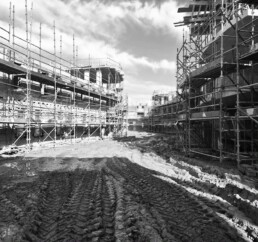
Are mobile scaffolding towers safe for construction sites?
Are mobile scaffolding towers safe for construction sites?
Yes, mobile scaffolding towers can be safe for construction sites when used correctly and maintained regularly. Following proper guidelines and using quality systems like those provided by Alpine Scaffolding ensures they are a reliable and secure option for various projects.
Scaffolding is an integral part of construction, offering necessary support and access to workers on-site. Understanding the safety of mobile scaffolding towers is crucial, as they provide flexibility and convenience in construction projects. With the right implementation, they become invaluable assets that enhance both efficiency and safety on-site.
The Importance of Compliance with Safety Standards
Ensuring safety on construction sites begins with compliance with industry standards. Mobile scaffolding towers, like those offered by Alpine Scaffolding, adhere to the SANS 10085 and OHSACT standards. These regulations ensure the structural integrity and safety of the scaffolding systems, protecting workers from potential hazards. By using Kwik-Stage modular systems, Alpine guarantees that every component of their mobile scaffolding towers is designed to meet the highest safety criteria.
Compliance not only safeguards the workers but also enhances the reputation of the construction companies by demonstrating their commitment to safety. Alpine Scaffolding's experience in high-profile projects like the V&A Waterfront and Green Point Stadium underscores their ability to maintain rigorous safety standards, making mobile scaffolding towers a reliable choice for construction sites across the Western Cape.
The Role of Professional Erection and Dismantling
Proper erection and dismantling of mobile scaffolding towers are vital to ensuring their safety on construction sites. Inadequate assembly can lead to instability and potential accidents. This is why Alpine Scaffolding provides professional services that cover every phase of scaffolding use, from erection to dismantling. Their senior contracts managers oversee these processes, ensuring that every scaffold is securely set up and taken down following precise guidelines.
This professional approach not only minimises risks but also maximises efficiency. By entrusting this task to experienced professionals, construction companies can focus on their core activities, confident that their scaffolding needs are being managed safely and competently. Alpine's commitment to delivering quality services is evident in their successful completion of projects at Cape Town Station and UCT, where safety was a paramount concern.
The Flexibility and Efficiency of Mobile Scaffolding Towers
Mobile scaffolding towers offer significant flexibility and efficiency on construction sites, which contributes to their overall safety. Their design allows for easy movement and repositioning, reducing the time and labour required for setup and adjustment. This is particularly beneficial in dynamic environments where project requirements can change rapidly.
Alpine Scaffolding’s systems include various configurations such as temporary staircases, towers, and ramps, which can be adapted to meet specific project needs. This versatility ensures that workers always have safe and convenient access to their work areas, reducing the likelihood of accidents. By choosing a trusted provider like Alpine Scaffolding, construction companies can leverage these benefits to enhance both productivity and safety on-site.
Regular Inspection and Maintenance: Key to Safety
Regular inspection and maintenance are crucial to maintaining the safety of mobile scaffolding towers. Alpine Scaffolding offers comprehensive inspection services to ensure that all scaffolding systems remain in optimal condition throughout their use. Health & Safety managers play a critical role in this process, identifying potential issues before they can pose a threat.
Routine maintenance not only extends the life of the scaffolding but also ensures that any wear and tear are addressed promptly. This proactive approach reduces the risk of accidents and ensures compliance with safety standards. For companies operating in the Western Cape, partnering with Alpine Scaffolding provides peace of mind, knowing their projects are supported by industry-leading safety practices.
For more information on how Alpine Scaffolding can support your scaffolding construction needs, visit our website.
Contact Us For A Free Quotation (or Any Questions)
Complete the contact form below for any quotes, questions, or enquiries about your project.
Our dedicated team of experts will get back to you promptly.

What scaffolding system works best for windy conditions?
What scaffolding system works best for windy conditions?
In windy conditions, using a robust and stable scaffolding system like the Kwik-Stage modular system is essential for maintaining safety and efficiency on site.
Scaffolding plays a crucial role in construction and maintenance projects, providing the necessary support and access for workers. In places like Cape Town, where gusty winds can be common, the choice of scaffolding system becomes even more critical. Windy conditions can challenge the stability of scaffolding structures, and opting for a system designed to withstand such elements can mean the difference between a safe work environment and potential hazards.
Understanding the Impact of Wind on Scaffolding
Wind can exert significant pressure on scaffolding, creating lateral loads that can compromise the structure’s stability. The effects of wind are particularly notable in high-rise construction projects and open areas where there is little to no windbreak. For scaffolding systems, the key challenge is to resist these forces without toppling or swaying excessively. Inadequately designed or poorly erected scaffolding can lead to catastrophic failures, endangering workers and the public. Therefore, it’s essential to select systems that inherently offer superior stability and strength, such as the Kwik-Stage modular systems. These systems are engineered to meet SANS 10085 and OHSACT standards, ensuring optimal performance even under challenging weather conditions.
Features of the Kwik-Stage System Beneficial for Windy Conditions
The Kwik-Stage modular system is renowned for its robust construction and adaptability, making it particularly well-suited for use in windy environments. One of its key features is the interlocking nature of its components, which enhances the stability of the scaffolding structure. This system’s design allows for quick and secure assembly, which is vital when the weather conditions demand rapid erection and dismantling. Moreover, the modularity of Kwik-Stage provides flexibility, enabling it to be tailored to various project requirements, whether for high-rise buildings or expansive industrial sites. The system's ability to incorporate additional safety features, such as protection fans and loading bays, further enhances its suitability for use in areas prone to high winds.
Practical Application and Adjustments for Safety
While Kwik-Stage systems inherently offer superior stability, additional measures can be taken to enhance safety in windy conditions. Bracing the scaffolding structure with additional ties and supports can significantly reduce the risk of swaying and collapse. It is also advisable to limit the height of the scaffolding exposed to wind by implementing temporary staircases and towers strategically. At Alpine Scaffolding, our experienced senior contracts and health & safety managers ensure that all scaffolding systems are not only erected in compliance with safety standards but are also tailored to the specific environmental conditions of each project. This proactive approach helps in mitigating the risks associated with wind, ensuring that projects like those at the V&A Waterfront and Green Point Stadium are executed safely.
Alpine Scaffolding’s Commitment to Safety and Compliance
At Alpine Scaffolding, safety is paramount. Our commitment to using systems that comply with SANS 10085 and OHSACT ensures that all scaffolding structures meet the highest safety standards. Our extensive experience across a wide range of projects, from UCT to the Cape Town Station, underscores our capability to handle the unique challenges posed by windy conditions. By employing skilled professionals and leveraging advanced scaffolding technologies like the Kwik-Stage system, we consistently deliver safe and reliable solutions. For those seeking an alternative, our aluminium scaffolds also provide lightweight yet sturdy options, ideal for specific project needs. Our Level 5 BBBEE status further demonstrates our commitment to quality and community engagement across the Western Cape.
Contact Us For A Free Quotation (or Any Questions)
Complete the contact form below for any quotes, questions, or enquiries about your project.
Our dedicated team of experts will get back to you promptly.
What’s the best way to scaffold a site with limited ground access?
What’s the best way to scaffold a site with limited ground access?
The best way to scaffold a site with limited ground access is to use the Kwik-Stage modular system, which is adaptable, efficient, and meets all safety standards. This method ensures both safety and efficiency, even in the most challenging environments.
Scaffolding in areas with limited ground access presents unique challenges that require specialised solutions. Whether working on high-rise buildings, complex industrial sites, or urban environments like Cape Town's bustling V&A Waterfront, the ability to deliver safe and effective scaffolding solutions is crucial. Understanding the best methods for these situations helps ensure project success and safety compliance.
Leveraging Kwik-Stage Modular Systems
At Alpine Scaffolding, we pride ourselves on offering state-of-the-art Kwik-Stage modular systems, which are ideal for sites with restricted ground access. These systems are designed to be highly versatile and efficient, making them perfect for projects where traditional scaffolding methods might be impractical. The Kwik-Stage system is compliant with SANS 10085 and OHSACT, ensuring that safety is never compromised, even in the most challenging environments.
The modular nature of the Kwik-Stage system allows for quick assembly and dismantling, which is particularly beneficial when ground access is limited. This adaptability not only speeds up the construction process but also reduces labour costs. By using fewer components that are lighter and easier to handle, the system facilitates rapid erection and dismantling, thus minimising the time spent on site.
Innovative Solutions for Urban Environments
Urban environments often present scaffolding challenges due to constraints like narrow streets, high traffic, and limited space. Projects such as the Cape Town Station or UCT require innovative solutions to overcome these hurdles. Alpine Scaffolding employs advanced techniques tailored to these environments, ensuring that operations remain seamless and efficient.
For instance, temporary staircases and towers can be strategically placed to maximise available space and access points. This allows for continued pedestrian and vehicular movement, while still providing the necessary access for construction crews. Moreover, using protection fans and gantries helps safeguard the public and workers from falling debris, further enhancing safety measures in these busy settings.
Utilising Temporary Structures for Enhanced Access
When dealing with sites that have limited ground access, the use of temporary structures such as ramps, loading bays, and gantries can greatly enhance the functionality of the workspace. These structures not only provide essential access but also streamline the movement of materials and personnel. Alpine’s expertise in erecting such structures on sites like the Green Point Stadium demonstrates our capability in handling complex scaffolding requirements.
Temporary ramps and loading bays are particularly useful in facilitating the transportation of heavy equipment and materials to elevated areas, thus improving overall project efficiency. Meanwhile, gantries provide additional support and access options in areas where traditional scaffolding might be restricted. These solutions ensure that projects remain on schedule and within budget, even when faced with spatial limitations.
Ensuring Safety and Compliance
Safety is paramount in any construction project, and this is especially true when working in confined spaces with limited ground access. Alpine Scaffolding employs senior contracts and health & safety managers who ensure that all activities adhere to stringent safety standards. By maintaining compliance with SANS 10085 and OHSACT, we guarantee that our scaffolding solutions do not compromise on quality or safety.
The implementation of safety measures such as regular inspections and the use of high-quality materials is integral to our operations. Our commitment to safety is further evidenced by our Level 5 BBBEE status, which underscores our dedication to excellence and responsible business practices. Whether it’s a high-rise building or a residential project, Alpine Scaffolding’s focus on safety ensures peace of mind for all stakeholders involved.
For more information on how you can optimise your scaffolding solutions, including our aluminium scaffolding options, visit Alpine Scaffolding today.
Contact Us For A Free Quotation (or Any Questions)
Complete the contact form below for any quotes, questions, or enquiries about your project.
Our dedicated team of experts will get back to you promptly.
What is the load capacity of standard access scaffolding?
What is the load capacity of standard access scaffolding?
The load capacity of standard access scaffolding typically ranges from 225 kg per square metre to 450 kg per square metre, depending on the specific design and materials used. This capacity is crucial for ensuring the safety and efficiency of construction projects.
Understanding the load capacity of scaffolding is fundamental for any construction project. It affects not only the safety of the workers but also the overall structural integrity of the project. When contractors and project managers are aware of these specifications, they can make informed decisions that optimise both safety and productivity. At Alpine Scaffolding, we pride ourselves on providing scaffolding solutions that not only meet but exceed industry standards, ensuring all projects are executed with the utmost precision and care.
Factors Influencing Scaffolding Load Capacity
Several factors can influence the load capacity of standard access scaffolding. Firstly, the materials used in the construction of scaffolding play a significant role. Steel scaffolding, for example, typically supports more weight than aluminium alternatives due to its higher strength and durability. Additionally, the design of the scaffolding system, such as the Kwik-Stage modular systems used by Alpine Scaffolding, is engineered to maximise load capacity while ensuring ease of assembly and stability.
Environmental conditions also impact load capacity. In Cape Town, where Alpine Scaffolding operates, weather conditions such as strong winds and heavy rains can affect scaffolding's stability. To mitigate these risks, it is essential to conduct regular inspections to ensure that the scaffolding remains secure and fit for purpose. The expertise of senior contracts and health & safety managers at Alpine ensures that all scaffolding systems are designed and maintained to withstand these environmental challenges.
The Importance of Compliance with SANS 10085 and OHSACT
Compliance with safety standards like SANS 10085 and the Occupational Health and Safety Act (OHSACT) is non-negotiable in the scaffolding industry. These guidelines set out the requirements for safe scaffolding practices, including load capacity specifications. They ensure that scaffolding systems are not only fit for purpose but also safe for use in various applications, from high-rise buildings to industrial sites.
Alpine Scaffolding’s adherence to these standards is a testament to our commitment to safety and quality. By using Kwik-Stage modular systems that conform to these regulations, we guarantee that our scaffolding solutions are robust and reliable. This level of compliance is particularly important for high-profile projects like the V&A Waterfront and Green Point Stadium, where public safety is paramount.
Different Applications and Their Load Requirements
Scaffolding is used in a wide range of applications, each with its own specific load requirements. For example, commercial projects may require scaffolding with higher load capacities due to the use of heavy equipment and materials. In contrast, residential projects might involve lighter loads but require more flexible and adaptable scaffolding solutions.
At Alpine Scaffolding, we provide tailored scaffolding solutions to meet the unique demands of each project. Whether it’s erecting temporary staircases and loading bays for commercial use or providing towers and ramps for events, understanding and accommodating the load capacity requirements is crucial. Our experience with diverse projects across the Western Cape allows us to deliver scaffolding that supports efficient and safe operations in all settings.
How Alpine Scaffolding Ensures Optimal Load Capacity
Alpine Scaffolding employs a comprehensive approach to ensure optimal load capacity in all scaffolding systems we provide. Our team of experienced professionals conducts thorough site assessments to determine the specific load requirements for each project. This proactive approach allows us to design scaffolding systems that not only meet but exceed the expected load capacities.
Furthermore, our commitment to regular inspections and maintenance ensures that our scaffolding remains in top condition throughout the project lifecycle. Our senior contracts and health & safety managers work closely with clients to provide guidance and support, ensuring that all scaffolding systems adhere to industry standards and client specifications. This dedication to excellence is why Alpine Scaffolding remains a trusted partner for formwork and scaffolding across Cape Town and beyond.
Contact Us For A Free Quotation (or Any Questions)
Complete the contact form below for any quotes, questions, or enquiries about your project.
Our dedicated team of experts will get back to you promptly.
How often should scaffolding be inspected on an active site?
How often should scaffolding be inspected on an active site?
Scaffolding should be inspected at least once a week on an active site and after any alterations, adverse weather, or incidents that could impact its integrity.
In the world of construction and maintenance, scaffolding is a critical component that enables workers to safely reach various heights and areas of a project. The importance of regular inspections cannot be overstated, as they ensure the safety and stability of these temporary structures. At Alpine Scaffolding, we understand that maintaining a rigorous inspection schedule is crucial not only for compliance with safety standards but also to safeguard the lives of workers and the success of the project. Our expertise in offering comprehensive scaffolding services, including erection, dismantling, and inspection, reinforces our commitment to safety and excellence.
Legal Requirements and Standards in South Africa
In South Africa, the Occupational Health and Safety Act (OHSACT) alongside SANS 10085 sets forth stringent regulations regarding scaffold safety. These laws mandate that scaffolding inspections must be carried out regularly to prevent accidents and ensure structural integrity. According to these standards, scaffolding must be inspected by a competent person—typically, someone who has the necessary knowledge and experience in scaffold safety—before being put into use, weekly thereafter, and after any modifications or adverse weather conditions.
Alpine Scaffolding's adherence to OHSACT and SANS 10085 is a testament to our dedication to safety. We employ senior contracts and health & safety managers to maintain compliance with these regulations. Our Kwik-Stage modular systems not only meet but exceed these standards, providing peace of mind to our clients across high-rise buildings, industrial sites, and more.
The Role of Environmental Factors
Environmental factors can significantly impact the safety and stability of scaffolding structures. In Cape Town, where weather conditions can vary dramatically, it becomes essential to conduct inspections after events such as heavy rain, strong winds, or any other environmental changes that could affect scaffold integrity. These inspections help identify potential weaknesses or damages that may not be visible during routine checks.
At Alpine Scaffolding, we account for these environmental factors by tailoring our inspection schedules to include assessments after such occurrences. Our experienced team is well-versed in identifying and mitigating risks associated with environmental impacts, ensuring that our scaffolding remains safe and secure at all times. This proactive approach is part of our commitment to delivering reliable scaffolding solutions across the Western Cape.
The Importance of Competent Inspections
The efficacy of a scaffolding inspection largely depends on the competence of the individual conducting it. A competent inspection involves a thorough examination of all scaffold components, including planks, braces, and connections, to ensure they are in good condition and assembled correctly. It also involves checking for any signs of wear, corrosion, or damage that could compromise safety.
Alpine Scaffolding employs highly skilled professionals who are trained to carry out detailed inspections. Our teams are equipped with the knowledge and expertise necessary to identify potential hazards and take corrective actions. By doing so, we not only comply with legal requirements but also uphold our reputation for providing safe and dependable scaffolding services.
Regular Inspections Enhance Project Efficiency
Beyond safety, regular scaffolding inspections play a significant role in enhancing project efficiency. By ensuring that scaffolding is secure and stable, workers can perform their tasks without interruptions, leading to better productivity and reduced downtime. Inspections help prevent costly accidents and repairs, ultimately saving time and resources in the long run.
Alpine Scaffolding's commitment to regular and thorough inspections has been proven across numerous high-profile projects, including the V&A Waterfront and Green Point Stadium. Our comprehensive approach ensures that our clients can focus on their core activities while we manage their scaffolding needs efficiently. Additionally, we offer scaffolding on sale for those looking to invest in reliable systems that meet all safety standards.
Contact Us For A Free Quotation (or Any Questions)
Complete the contact form below for any quotes, questions, or enquiries about your project.
Our dedicated team of experts will get back to you promptly.